
Wuthering Waves Twitter Phenomenon: Male Characters Gaining Traction
Wuthering Waves' Twitter buzz reveals strong player preference for male characters, highlighting market opportunities for diverse character releases and increased revenue.
The Wuthering Waves Twitter community has been buzzing with an interesting trend that speaks volumes about player preferences in the popular action RPG. Male characters in the game are receiving significantly more engagement than their female counterparts, challenging conventional gacha game marketing strategies that typically prioritize female character releases.
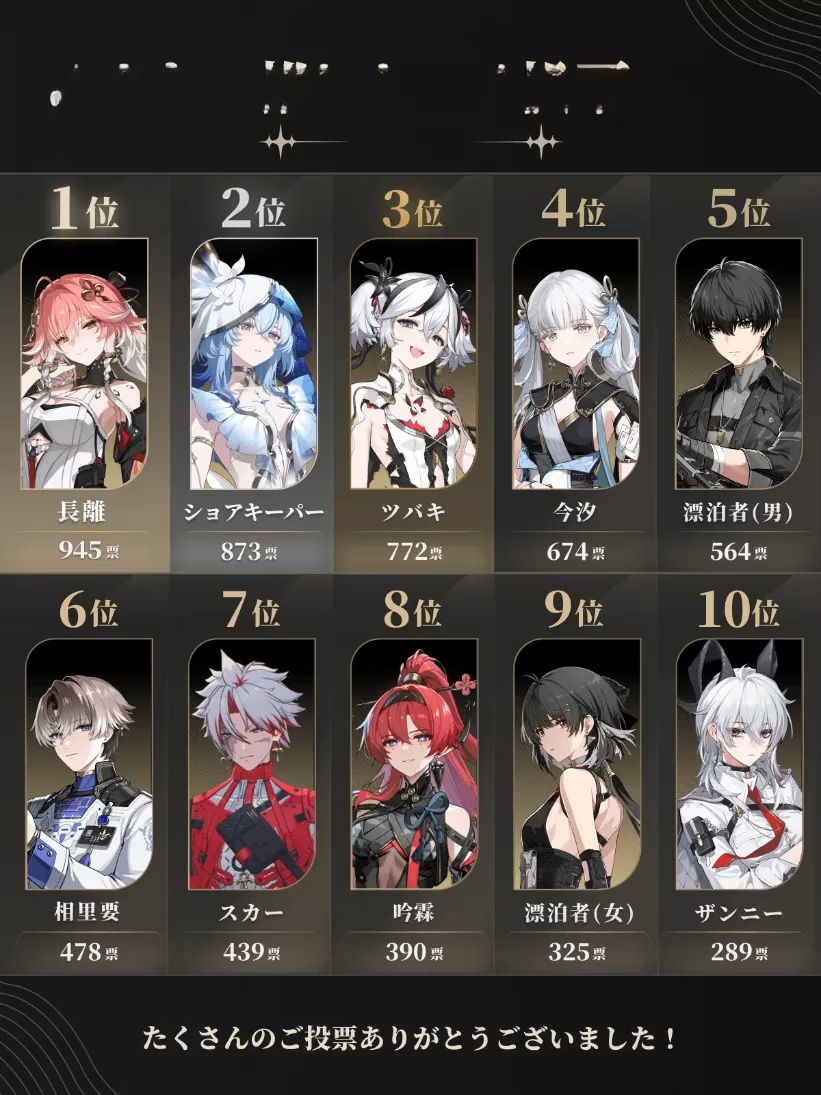
One particular male character has been dominating social media metrics, garnering more likes and shares than the female roster across Twitter and other platforms. This phenomenon isn't isolated to Twitter alone—the same character enjoys similar popularity on Facebook and other community hubs where Wuthering Waves content is shared.
Player Feedback on Character Balance
The imbalanced gender ratio in character releases has become a talking point within the community. Many players have expressed a desire for more male characters, suggesting that developer Kuro Games could be missing substantial revenue opportunities by maintaining the current release pattern.
"Kuro is missing out on so much money by doing the current ratio," noted one enthusiastic fan on Twitter. "One male character per patch is still not enough. I'd be happy with two."
This sentiment echoes throughout the Wuthering Waves community, with players frequently commenting that they would spend more on the game if additional male characters were made available. The current model of releasing predominantly female characters with occasional male additions seems at odds with actual player preferences as demonstrated by social media engagement.

Design Appeal and Market Potential
The popularity of male characters extends beyond simple metrics. Players frequently praise the design quality and aesthetic appeal of the male roster, suggesting that Kuro Games' art direction for these characters resonates strongly with the audience.
Looking at 2025's gaming landscape, this trend represents a potential market shift. While many gacha games continue to focus heavily on female character monetization, Wuthering Waves' Twitter engagement suggests an untapped audience eager for more diverse character options.
Community Reactions
The Wuthering Waves Twitter community has been vocal about their preferences:
-
"He's also most liked on their Facebook page, they're truly missing out!" commented one player.
-
Others have noted specific design elements they appreciate in the male characters.
-
Some players express particular preferences for character types, with newer additions like Zani receiving positive mention.
Industry Implications
This Wuthering Waves Twitter phenomenon might signal a broader shift in gacha gaming demographics. While traditionally these games have marketed heavily toward players interested in collecting female characters, the engagement metrics suggest a more diverse player base with varied preferences.
For Kuro Games, this presents both a challenge and an opportunity. Adjusting their character release schedule to include more male characters could potentially increase revenue and player satisfaction, as indicated by the Wuthering Waves Twitter engagement patterns.
Looking Forward
As Wuthering Waves continues to evolve in 2025, the development team has an opportunity to respond to this clear market signal. The Twitter metrics provide valuable insight into player preferences that could inform future character development priorities.
The passionate response from fans suggests that the game has successfully created compelling male character designs that resonate with players. By capitalizing on this strength, Wuthering Waves could differentiate itself in the competitive gacha market.
For players eagerly following Wuthering Waves Twitter announcements, the hope remains that future updates will bring a more balanced approach to character releases—one that better reflects the demonstrated preferences of the community.
Comments